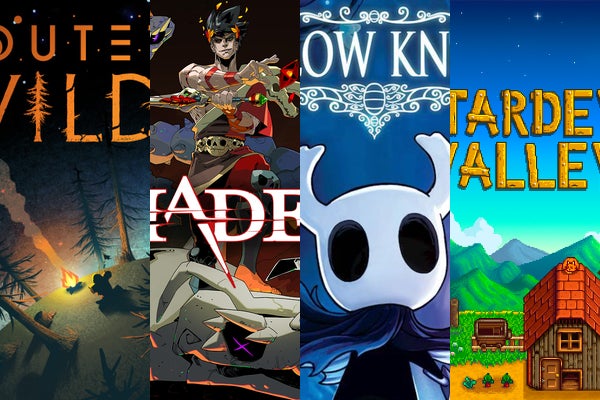
The gaming industry has long been dominated by massive studios producing blockbuster titles with multi-million-dollar budgets. However, over the past decade, independent games commonly known as indie games have rapidly risen in popularity. From critically acclaimed hits like Hades and Undertale to indie sensations such as Stardew Valley and Hollow Knight, indie titles are reshaping the gaming landscape.
So why are indie games taking over the gaming industry? The answer lies in creativity, accessibility, technology, and changing player preferences. In this article, we explore the key reasons behind the explosive growth of indie games and why they are becoming a dominant force in modern gaming.
What Are Indie Games?
Indie games are video games developed by individuals or small teams without major financial support from large publishers. Unlike AAA games created by big companies like Sony, Ubisoft, or Electronic Arts, indie games are often funded by personal savings, crowdfunding platforms, or small publishers.
Despite their limited budgets, indie developers focus heavily on innovation, storytelling, and unique gameplay mechanics. This creative freedom allows them to experiment with new ideas that larger studios might consider too risky.
1. Creative Freedom and Innovation
One of the biggest reasons indie games are thriving is creative freedom. Independent developers are not constrained by corporate expectations, shareholder demands, or massive marketing budgets. Instead, they can focus on originality and artistic expression.
Many indie games introduce mechanics and storytelling techniques that later inspire mainstream titles. For example, roguelike mechanics, procedural generation, and minimalist storytelling were popularized by indie developers before being adopted by AAA studios.
Players are increasingly attracted to fresh experiences, and indie games deliver innovation that big studios often avoid due to financial risks.
2. Lower Development Costs and Faster Production
AAA games often require hundreds of developers and years of production, costing tens or even hundreds of millions of dollars. In contrast, indie games can be created by a small team or even a single developer.
Modern game engines like Unity, Unreal Engine, and Godot have made game development more accessible and affordable. These tools provide powerful features, tutorials, and community support, enabling developers to create high-quality games without massive budgets.
Lower development costs mean indie developers can take risks and experiment without worrying about massive financial losses.
3. Digital Distribution Platforms
The rise of digital platforms such as Steam, Epic Games Store, PlayStation Store, Xbox Marketplace, Nintendo eShop, and mobile app stores has revolutionized how games are sold.
In the past, indie developers struggled to distribute their games physically. Today, they can publish directly to global audiences with minimal barriers. Platforms like Steam and itch.io also provide indie-friendly features such as community reviews, early access programs, and developer blogs.
Digital distribution has removed the need for traditional publishers, allowing indie developers to reach millions of players worldwide.
4. Strong Community Support and Crowdfunding
Indie games often build passionate communities. Platforms like Kickstarter, Patreon, and Indiegogo allow developers to fund their projects directly through fans.
Crowdfunding gives players a sense of ownership and involvement in the development process. Communities provide feedback, beta testing, and marketing through social media and streaming platforms like Twitch and YouTube.
Word-of-mouth marketing plays a huge role in indie success, with viral hits spreading rapidly through gaming communities.
5. Focus on Storytelling and Emotional Experiences
Many indie games prioritize storytelling and emotional depth over high-end graphics. Titles like Undertale, Celeste, and Ori and the Blind Forest are known for their powerful narratives and memorable characters.
Indie developers often explore themes such as mental health, identity, relationships, and personal growth. These themes resonate strongly with players who seek meaningful gaming experiences beyond traditional action and shooter genres.
As gamers mature, they increasingly value storytelling, making indie games more appealing.
6. Retro Aesthetics and Nostalgia
Indie games frequently embrace retro art styles inspired by classic 8-bit and 16-bit games. Pixel art, chiptune music, and simple mechanics evoke nostalgia among older players while introducing younger audiences to classic gaming aesthetics.
This blend of nostalgia and modern gameplay creates a unique experience that appeals to a broad audience. Retro-inspired indie games often stand out in a market saturated with hyper-realistic graphics.
7. Accessibility Across Platforms
Indie games are available on multiple platforms, including PC, consoles, mobile devices, and even web browsers. Many indie developers release their games on multiple platforms to reach a wider audience.
Mobile gaming has also become a significant platform for indie developers due to low entry barriers and massive user bases. Cross-platform support further increases accessibility, allowing players to enjoy indie games on their preferred devices.
8. Influence of Streaming and Content Creators
Streaming platforms like Twitch and YouTube have played a major role in the rise of indie games. Content creators often showcase indie titles, helping them reach millions of viewers.
Indie games are particularly appealing to streamers because they offer unique mechanics, surprising gameplay moments, and engaging narratives. Viral moments from streams can dramatically boost a game’s popularity and sales.
This exposure has turned many indie games into overnight successes.
9. Changing Player Preferences
Modern gamers are no longer satisfied with repetitive gameplay and predictable franchises. They seek unique experiences, innovation, and personal connections with games.
Indie games provide diverse genres and experimental gameplay, from farming simulators and puzzle games to narrative-driven adventures and survival titles. This diversity caters to a wide range of player interests.
As player expectations evolve, indie games continue to meet the demand for originality.
10. Economic Opportunities for Developers
The indie game market offers significant financial opportunities for small developers. Successful indie titles can generate millions in revenue, even with small teams.
Revenue models such as premium sales, downloadable content (DLC), and microtransactions allow developers to monetize their games effectively. Indie developers can also collaborate with small publishers for marketing and distribution support.
The potential for financial success encourages more developers to enter the indie scene.
The Impact of Indie Games on the Gaming Industry
Indie games are not just a trend—they are transforming the gaming industry. AAA studios are increasingly adopting indie-inspired mechanics and storytelling approaches. Some major companies have even created indie-focused divisions or partnered with independent developers.
Indie success stories demonstrate that creativity and passion can compete with massive budgets. The line between indie and mainstream gaming is becoming increasingly blurred.
The Future of Indie Gaming
The future of indie gaming looks promising. Advances in artificial intelligence, procedural generation, and virtual reality will further empower independent developers. Game engines will continue to evolve, making development even more accessible.
Additionally, subscription services like Xbox Game Pass and PlayStation Plus provide indie developers with new distribution and monetization opportunities.
As technology advances and communities grow, indie games will continue to shape the future of gaming.
Conclusion
Indie games are taking over the gaming industry because they offer innovation, creativity, emotional storytelling, and accessibility. Lower development costs, digital distribution, community support, and evolving player preferences have created the perfect environment for indie developers to thrive.
Whether you are a gamer looking for unique experiences or a developer seeking creative freedom, indie games represent the future of gaming. As the industry continues to evolve, independent developers will remain at the forefront of innovation, proving that passion and creativity can rival even the biggest studios.